
CPS Founded Findings in Washington: Complete Guide
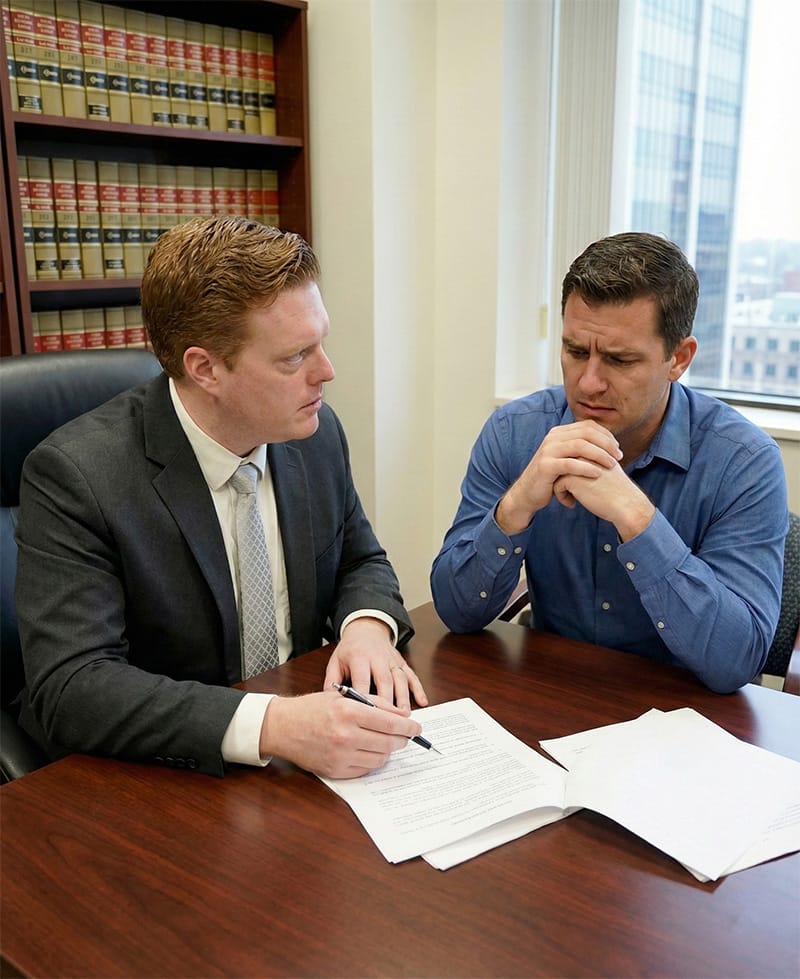
A CPS founded finding Washington determination means Child Protective Services has decided, by a preponderance of evidence, that child abuse or neglect occurred and your name is now flagged in a state database that can block employment, disqualify you from foster care, and damage custody cases for years.
I’ve spent two decades fighting these findings in Pierce County, and most people don’t realize they have exactly 30 days to request an internal CPS management review before losing their right to challenge it through an administrative hearing at the Office of Administrative Hearings. The good news is that founded findings can be reversed, modified, or even removed from your record entirely if you act fast and build a strong case.
Torrone’s Takeaways
-
You have 30 days to request a CPS management review or lose your appeal rights permanently
-
Founded findings block childcare and healthcare jobs through automatic background check disqualifications
-
The preponderance standard means CPS only needs 51% likelihood, not proof beyond reasonable doubt
-
Missing the second 30-day OAH filing deadline after your review decision makes the finding permanent
-
Administrative Law Judges can reverse, modify, or uphold founded findings based on evidence quality
-
Certificate of Parental Improvement applications require three to five years of documented rehabilitation
-
Legal representation increases your chances because most pro se appellants miss deadlines and procedural requirements
Table of Contents
- Torrone’s Takeaways
- What a CPS Founded Finding Washington Determination Actually Means for Your Life
- The Employment, Licensing, and Custody Consequences You’re Now Facing
- You Have Exactly 30 Days to Request an Internal CPS Review or Lose Everything
- How the Office of Administrative Hearings Process Works in Washington State
- Step-by-Step Guide to Surviving Your Administrative Hearing
- The Three Possible Outcomes and What Each Means for Your Record
- Alternative Paths When You’ve Lost Your Administrative Appeal
- The Six-to-Eighteen Month Timeline From Founded Finding to Final Resolution
- Legal Representation Dramatically Improves Your Chances at Every Stage
- Frequently Asked Questions
- Conclusion

What a CPS Founded Finding Washington Determination Actually Means for Your Life
The Preponderance of Evidence Standard CPS Uses Against You
Child Protective Services doesn’t need proof beyond a reasonable doubt like criminal courts do. They only need to show there’s a 51% likelihood that abuse or neglect happened. This preponderance of evidence standard means CPS can determine you’re guilty based on conflicting testimonies, circumstantial evidence, or even a caseworker’s subjective impression during a home visit.
Founded vs. Unfounded vs. Inconclusive Findings Explained
A founded finding means CPS believes abuse or neglect occurred and you’re now listed in the Washington State Department of Children, Youth, and Families database. An unfounded finding clears you completely. An inconclusive finding means there wasn’t enough evidence either way, but here’s the problem: inconclusive findings can still appear on background checks and raise red flags for employers, foster care agencies, and family courts evaluating your fitness as a parent.
Consider how this plays out for someone in a licensed field like healthcare. A parent receives an inconclusive finding after a former spouse reports alleged neglect during a custody dispute. Years later, that person applies for a position requiring contact with children. The background check flags the inconclusive CPS investigation, and despite an otherwise clean professional record, the offer can be withdrawn. Many people don’t realize an inconclusive finding stays on their record, or that the determination could have been challenged within 30 days.
How Washington Courts Adopted Findings Can Override CPS Decisions
Dependency Court can adopt a CPS founded finding as part of a dependency petition, which gives it the weight of a court order. Once a judge signs off on the finding during a fact-finding hearing, it becomes exponentially harder to challenge. I’ve seen families lose administrative appeals at the Office of Administrative Hearings, only to face the same founded finding again in Dependency Court where termination of parental rights is on the table.
Table: Washington State CPS Finding Types and Their Consequences
| Finding Type | What It Means | Background Check Impact | Employment Consequences | Can You Challenge It? |
|---|---|---|---|---|
| Founded | CPS determined abuse/neglect occurred by preponderance of evidence (51%+ likelihood) | Shows on all background checks permanently | Automatic disqualification for childcare, healthcare, foster care, and school jobs | Yes - 30 days for management review, then 30 days for OAH appeal |
| Unfounded | CPS determined abuse/neglect did NOT occur based on investigation evidence | Does not appear on background checks | No employment impact | No need to challenge - you’re cleared |
| Inconclusive | Insufficient evidence to prove or disprove the allegations | May appear on background checks depending on employer | Can raise red flags for childcare/foster care positions | Yes - same 30-day deadlines as founded findings |
The Employment, Licensing, and Custody Consequences You’re Now Facing
Background Check Failures That Block Childcare and Healthcare Jobs
Any job requiring a Background Check Authorization Form will flag your founded finding. Daycare centers, schools, hospitals, and nursing homes in Pierce County automatically disqualify applicants with founded findings for child abuse or neglect. Even if you weren’t convicted of a crime, the CPS determination alone ends your career in these fields unless you successfully challenge it or obtain a character waiver years later.
How Foster Care, Adoption, and Relative Placement Get Disqualified
Take a grandparent who tries to take custody of a grandchild after an adult child enters substance abuse treatment, but who carries a founded finding from years earlier when their own kids were young. Even after completing parenting classes and maintaining stable housing, DCYF can deny the relative placement application, and the child may be placed with strangers instead. Often the grandparent didn’t know they could have requested a Certificate of Parental Improvement to demonstrate rehabilitation and character growth before applying.
The Permanent Record Effect on Future Custody Battles and Parenting Plans
Family law attorneys will weaponize your founded finding during divorce or custody modifications. Even if the finding had nothing to do with your spouse or current children, judges consider it when evaluating parental fitness and deciding residential schedules. I’ve watched parents lose overnights, face supervised visitation, or get restricted parenting time because an old CPS investigation resurfaced during a contentious custody battle they thought was unrelated.
You Have Exactly 30 Days to Request an Internal CPS Review or Lose Everything
The Two-Step Process That Catches Most People Off Guard
You must request a CPS management review within 30 days of receiving your founded finding notice, then wait for that decision before filing an administrative hearing appeal. Most people assume they can go straight to the Office of Administrative Hearings, but Washington law requires this internal review first. Skip this step or miss the 30-day window, and you’ve permanently waived your right to challenge the finding through any legal process.
What Happens During the Internal Management Review Process
A CPS supervisor who wasn’t involved in your original investigation reviews the case file, your written statement, and any supporting documents you submit. They’re looking for procedural errors, missing evidence, or whether the preponderance standard was actually met. The supervisory review typically takes 30 to 60 days, and you’ll receive a notice of the CPS management review decision by mail explaining whether the founded finding stands, gets reversed, or gets modified to inconclusive.
This is why acting before the deadline matters so much. A parent might not reach out until day 28, panicked and unsure what to do. Even then, submitting the management review request in time, with a detailed statement explaining the context CPS overlooked, preserves the next step. If the review later upholds the finding, the parent who filed on time still has 30 days to take the matter to the Office of Administrative Hearings. Filing late, by contrast, forfeits that path entirely.
Missing This Deadline Destroys Your Appeal Rights Forever
Once 30 days pass without requesting your internal review, the founded finding becomes final under RCW 34.05 and WAC 110-30-0270. You lose access to administrative appeals, you can’t present new evidence, and the finding stays on your record permanently. Here’s what you’re giving up by missing this deadline:
-
Your right to an Administrative Law Judge hearing
-
Your ability to subpoena witnesses and present testimony
-
Your chance to cross-examine the CPS caseworker
-
Any possibility of expungement or record modification
-
Protection against employment and custody consequences

How the Office of Administrative Hearings Process Works in Washington State
What OAH Actually Does and How ALJs Differ from Regular Judges
The Office of Administrative Hearings is an independent state agency that handles disputes between citizens and government agencies like the Department of Children, Youth, and Families. Administrative Law Judges don’t work for DCYF, which means they’re supposed to be neutral arbiters evaluating whether CPS followed proper procedures and met the preponderance of evidence standard. Unlike Dependency Court judges who focus on child safety and placement, ALJs strictly review the administrative record and legal process.
The 30-Day Window to File After Your CPS Review Decision
The danger of waiting is concrete. A parent receives a management review decision upholding the founded finding, assumes there is plenty of time to figure out the next move, and files the Office of Administrative Hearings appeal just a few days past the 30-day window. The ALJ can dismiss the case as untimely under RCW 34.05.510 for missing the deadline by even a handful of days. At that point the founded finding becomes permanent, which can cost someone a licensed or background-checked job they spent years qualifying for.
Pierce County OAH Procedures and What Makes Tacoma Cases Different
Pierce County cases often involve local CPS offices with specific intake screening patterns and caseworker training protocols that differ from King County or Thurston County. Tacoma-based hearings typically occur at the OAH office downtown or via video conference, and I’ve noticed Pierce County DCYF attorneys tend to rely heavily on law enforcement reports and medical records.
Understanding these local nuances matters because the way evidence gets presented and challenged can vary significantly based on which regional office handled your original CPS investigation.
Here’s what makes Pierce County OAH hearings distinct:
-
Closer coordination between CPS and Tacoma Police Department child abuse detectives
-
Higher percentage of cases involving domestic violence allegations
-
More frequent use of Family Assessment Response instead of traditional investigations
-
Specific procedures for submitting evidence through the Tacoma DCYF office
Step-by-Step Guide to Surviving Your Administrative Hearing
The Pre-Hearing Conference and Evidence Submission Deadlines
The Administrative Law Judge schedules a pre-hearing conference about 30 to 45 days before your actual hearing to discuss witness lists, evidence deadlines, and procedural issues. You must submit your documents and witness information at least 10 days before the hearing date, or the ALJ can exclude them entirely under WAC 388-02-0560. I’ve watched people lose winnable cases because they showed up with evidence the judge refused to consider due to late submission.
Who Carries the Burden of Proof and What That Actually Means
DCYF must prove the founded finding by a preponderance of evidence, which means you don’t have to prove your innocence. They need to show it’s more likely than not that abuse or neglect occurred based on the facts in their social file and investigation records. However, if you want to introduce alternative explanations or challenge their evidence, you’ll need your own witnesses and documents ready because staying silent rarely works in administrative hearings.
How to Present Witnesses, Documents, and Testimony That Actually Changes Minds
Consider a caregiver who faces a founded finding after a child suffers an injury during their care. Bringing medical records that document a pre-existing condition (for example, a bone fragility disorder), testimony from the treating physician explaining that vulnerability, and photos of the relevant environment can directly contradict CPS’s assumption of inflicted trauma. When the evidence rebuts the agency’s theory this concretely, an ALJ can reverse the finding. Preparation like this is often what separates a permanent record from a full reversal.
Strong evidence that actually persuades Administrative Law Judges includes:
-
Medical records from treating physicians, not just CPS-referred examiners
-
Text messages or emails showing context CPS ignored
-
Witness statements from teachers, therapists, or family members who observed your parenting
-
Photos or videos documenting home conditions or injuries
-
Documentation of cooperation with remedial services or safety plans
What Happens on Hearing Day and How to Avoid Common Mistakes
The hearing feels like a mini-trial with opening statements, witness testimony under oath, cross-examination, and closing arguments. You’ll testify about what happened, and the DCYF caseworker will testify about their investigation findings and why they believe the preponderance standard was met. Most people sabotage themselves by getting defensive, arguing with the ALJ, or failing to answer questions directly instead of providing clear, factual responses that address the specific allegations in the founded finding.

The Three Possible Outcomes and What Each Means for Your Record
1. Getting Your Founded Finding Reversed and Removed Completely
A reversed finding means the Administrative Law Judge determined DCYF failed to meet the preponderance of evidence standard, and your name gets removed from the state database entirely. This is the outcome everyone wants because it clears your record for background checks, eliminates employment barriers, and can’t be used against you in custody disputes. The ALJ issues a written order directing the Department of Children, Youth, and Families to delete the founded finding from all systems and records.
2. Modified Findings and Why Partial Victories Sometimes Matter
A parent might originally receive a founded finding for physical abuse after a teenager reports excessive discipline. Where the testimony shows conflicting accounts and no physical evidence, an ALJ can modify the finding to “inconclusive” rather than reverse it outright. That partial result still matters: a modified finding can shorten the waiting period before applying for a Certificate of Parental Improvement, which in turn helps a parent clear background checks for future employment sooner than a standing founded finding would allow.
3. When Findings Get Upheld and Your Next Steps to Superior Court
If the ALJ upholds the founded finding, you have 30 days to file a Petition for Review in Superior Court under RCW 34.05.510 challenging legal errors or abuse of discretion. Superior Court doesn’t retry your case or hear new evidence. They only review whether the ALJ followed proper procedures and whether substantial evidence supported the decision. I’ve seen cases reversed at this level when ALJs made procedural mistakes or ignored relevant testimony, but the standard is tough and you’ll need legal counsel to navigate judicial review effectively.
Alternative Paths When You’ve Lost Your Administrative Appeal
Filing a Petition for Review in Superior Court Within 30 Days
Superior Court judicial review focuses on legal errors, not retrying facts, so you’re challenging whether the Administrative Law Judge abused discretion or violated procedural rules under RCW 34.05.570. The court reviews the existing administrative record without hearing new testimony or evidence. You must file your petition within 30 days of the ALJ’s final order, and honestly, this route requires legal guidance because appellate standards are technical and most pro se petitioners lose on procedural grounds before judges even consider the merits.
Certificate of Parental Improvement Applications After Five Years
Take a parent who loses an administrative hearing after a founded finding for neglect connected to a former partner’s domestic violence. Years later, that parent can apply for a Certificate of Parental Improvement by documenting completion of parenting classes, domestic violence counseling, stable housing, and steady employment. The certificate doesn’t erase the founded finding from background checks, but it requires DCYF to weigh the parent’s rehabilitation when evaluating character and suitability, which can open the door to a licensed or childcare position that was previously out of reach.
Character Waivers for Employment and How They Actually Work
A Certificate of Parental Improvement does not remove the founded finding from your record, but it requires DCYF and licensing agencies to assess your character growth and rehabilitation instead of automatically disqualifying you. Employers in childcare, foster care, and healthcare can still see the founded finding on background checks, but they must weigh it against your demonstrated progress under WAC 110-30-0340. I’ve helped clients obtain these certificates to restore careers years after losing their administrative appeals.
The Six-to-Eighteen Month Timeline From Founded Finding to Final Resolution
Day 1 to Day 30 - Your Critical Window to Request CPS Management Review
The clock starts ticking the moment you receive your founded finding letter from the Department of Children, Youth, and Families. You must submit your written request for a CPS management review within 30 calendar days, not business days, which means weekends and holidays count against you. I tell every client to calendar this deadline immediately and request the review within the first two weeks to avoid last-minute panic or mail delivery issues that could cost you everything.
Day 30 to Day 90 - Waiting for the Internal Review Decision
After you submit your management review request, a CPS supervisor reviews your case file, your written statement, and any supporting documents you provided. The supervisory review typically takes 30 to 60 days, though I’ve seen them stretch to 90 days in complex cases involving multiple children or serious allegations like sexual abuse. You’ll receive a notice of the CPS management review decision by certified mail explaining whether the founded finding was reversed, upheld, or modified to inconclusive.
Day 90 to Day 120 - Filing Your Office of Administrative Hearings Appeal
Once you receive your management review decision upholding the finding, you have exactly 30 days to file your administrative hearing request with the Office of Administrative Hearings under RCW 34.05.510. Your appeal must include specific information about what you’re challenging and why you believe DCYF failed to meet the preponderance of evidence standard. Missing this second 30-day deadline means your founded finding becomes permanent with no further appeal options available under Washington law.
Month 4 to Month 6 - Pre-Hearing Conference and Evidence Preparation
This is the phase for gathering character reference letters, medical records, and school reports showing the children thrived in the parent’s care. The Administrative Law Judge typically schedules a pre-hearing conference around month four to discuss witness lists, evidence deadlines, and procedural issues. Parents who submit a complete evidence packet well before the deadline, rather than at the last minute, give the ALJ and the DCYF attorney time to review everything in advance. That kind of preparation means the judge already understands the defense before hearing day begins.
Your pre-hearing preparation checklist should include:
-
Complete witness list with contact information
-
All documents formatted and organized by date
-
Written statement explaining your version of events
-
Medical records, police reports, or expert evaluations
-
Character references from teachers, therapists, or clergy
Month 6 to Month 9 - The Administrative Hearing and ALJ Decision
The actual administrative hearing typically lasts two to six hours depending on witness complexity and evidence volume. You’ll testify under oath, present your witnesses, cross-examine the CPS caseworker, and make closing arguments about why the preponderance standard wasn’t met. The Administrative Law Judge usually issues a written decision within 30 to 60 days after the hearing, either reversing the finding, modifying it to inconclusive, or upholding DCYF’s original determination with detailed reasoning explaining their analysis of the evidence.
Month 9 to Month 12 - Superior Court Judicial Review (If Needed)
If the ALJ upholds your founded finding, you can file a Petition for Review in Superior Court within 30 days under RCW 34.05.570 challenging legal errors or procedural violations. The court reviews the administrative record without hearing new testimony, focusing only on whether the ALJ abused discretion or violated your Due Process Clause rights under the Fourteenth Amendment. Superior Court decisions typically take another three to six months, and you’ll need legal counsel because appellate standards require technical knowledge of administrative law procedures and Washington case precedent.
Year 2 and Beyond - Certificate of Parental Improvement and Long-Term Options
After three years from your founded finding effective date, you can apply for a Certificate of Parental Improvement if you’ve completed remedial services, maintained stable housing, and demonstrated rehabilitation. The certificate doesn’t remove the finding from background checks, but it requires licensing agencies and employers to consider your character growth instead of automatic disqualification under WAC 110-30-0340.
I’ve helped clients restore careers in healthcare, education, and childcare by documenting their progress and presenting compelling evidence of change to DCYF evaluators who review these applications.
Table: Complete Timeline and Deadlines for Challenging a CPS Founded Finding
| Timeline Stage | Action Required | Deadline | What Happens If You Miss It | Legal Authority |
|---|---|---|---|---|
| Days 1-30 | Request CPS management review in writing | 30 calendar days from founded finding notice | Finding becomes final - you lose all appeal rights forever | WAC 110-30-0270 |
| Days 30-90 | Wait for supervisory review decision | CPS has 30-90 days to respond | No action needed during this phase | WAC 110-30-0280 |
| Days 90-120 | File Office of Administrative Hearings appeal | 30 days from management review decision | Finding becomes final - no further appeals possible | RCW 34.05.510 |
| Months 4-6 | Submit evidence and witness lists to ALJ | 10 days before hearing date | ALJ can exclude your evidence completely | WAC 388-02-0560 |
| Months 6-9 | Attend administrative hearing and receive ALJ decision | Hearing scheduled by OAH | Case proceeds without you if you don’t attend | RCW 34.05 |
| Months 9-12 | File Superior Court Petition for Review (if needed) | 30 days from ALJ final order | ALJ decision becomes final and binding | RCW 34.05.570 |
| Year 3+ | Apply for Certificate of Parental Improvement | 3-5 years after founded finding | Finding remains with full employment consequences | WAC 110-30-0340 |
Legal Representation Dramatically Improves Your Chances at Every Stage
What Happens When You Face CPS Alone vs. With an Experienced Attorney
Most people representing themselves at Office of Administrative Hearings miss evidence submission deadlines, fail to properly cross-examine CPS caseworkers, and don’t understand the preponderance of evidence standard well enough to challenge DCYF’s case effectively. I’ve spent over 20 years handling CPS custody cases because I know exactly how to identify weaknesses in founded findings, present compelling counter-evidence, and argue administrative law in ways that persuade judges to reverse determinations.
How Pierce County Knowledge and Local Court Relationships Matter
Our firm handles CPS cases throughout Pierce County daily, which means we know the local DCYF offices, the Administrative Law Judges who hear these cases, and the specific procedures Tacoma caseworkers follow during investigations. We understand how Pierce County coordinates with law enforcement during child abuse allegations, which medical examiners DCYF uses for evaluations, and what evidence patterns actually convince judges in this jurisdiction. That local expertise translates directly into better outcomes because we’re not learning the system while your case is on the line.
The Cost of Waiting vs. Acting Now to Protect Your Rights
Every day you wait brings you closer to missing the 30-day management review deadline or the subsequent Office of Administrative Hearings filing window. Once those deadlines pass, your founded finding becomes permanent and you’ve lost any chance to clear your record, protect your employment, or prevent custody consequences. We offer free consultations to evaluate your case, explain your options, and create a strategic plan to fight back before time runs out and your choices disappear forever.
Contact Melvin & Torrone for your free 30-minute consultation. We’re located at 950 Pacific Ave, Suite 720, Tacoma, WA 98402, and we’re here to fight for Pierce County families facing unjust CPS determinations.

Frequently Asked Questions
1. Can a CPS founded finding lead to criminal prosecution in Washington State?
A founded finding is an administrative determination by the Department of Children, Youth and Families, not a criminal conviction. However, CPS can refer cases to law enforcement for criminal prosecution if they believe the evidence warrants charges under chapter 26.44 RCW.
2. What’s the difference between a screened in intake and a screened out intake?
A screened in intake means CPS believes the allegation meets the threshold for investigation and assigns a caseworker to assess the situation. A screened out intake means the report doesn’t meet investigative criteria and gets closed without a home visit or assessment.
3. Does the Indian Child Welfare Act affect how CPS founded findings work?
Yes, if your child is Native American or eligible for tribal enrollment, the Indian Child Welfare Act provides additional protections and procedural requirements that DCYF must follow. These protections can affect how founded findings are determined and what happens if a dependency action is filed.
4. Can I appeal a founded finding to the Board of Appeals instead of OAH?
No, Washington State eliminated the Board of Appeals for CPS findings. You must follow the two-step process of requesting a CPS management review first, then filing an administrative hearing appeal with the Office of Administrative Hearings under RCW 34.05.
5. What does WAC 110-30-0280 say about founded finding determinations?
WAC 110-30-0280 establishes the procedures DCYF must follow when making founded or unfounded finding decisions, including documentation requirements, notification timelines, and the preponderance of evidence standard. Violations of these procedures can be grounds for reversal at an administrative hearing.
6. Will a founded finding affect my ability to maintain care, custody, and control of my children?
A founded finding alone doesn’t automatically remove your parental rights or physical custody. However, if DCYF files a dependency action in Dependency Court, the founded finding will be used as evidence to argue for out-of-home care or restricted parenting time.
7. What is a risk only intake and how does it differ from a CPS investigation?
A risk only intake means CPS identified risk factors but not specific allegations of abuse or neglect that meet investigation thresholds. These cases may receive early intervention services or referrals to community resources without a formal founded or unfounded finding determination.
8. Can I request a guardian ad litem during my Office of Administrative Hearings appeal?
No, guardian ad litem appointments happen in Dependency Court when a child becomes a dependent child under the juvenile dependency system. Administrative hearings at OAH don’t involve guardian ad litem representation because they’re reviewing the founded finding determination, not deciding custody.
9. How long does the Washington State Department of Children, Youth and Families keep founded findings on record?
Record retention policies under WAC 110-30-0200 vary based on the severity and type of allegation. Founded findings for serious abuse typically remain permanently accessible through background checks, though you can apply for a Certificate of Parental Improvement after three to five years.
10. What happens if I signed a voluntary placement agreement during the CPS investigation?
A voluntary placement agreement allows DCYF to place your child with relatives or foster care without court involvement, but it doesn’t waive your right to challenge the founded finding. You can still request a management review and administrative hearing even if you agreed to temporary out-of-home placement.
11. Should I hire a criminal defense attorney or a children’s lawyer for my founded finding appeal?
You need an attorney experienced in administrative law and CPS dependency cases, not criminal defense. Founded finding appeals require knowledge of Wash. Admin. Code procedures, preponderance standards, and Office of Administrative Hearings processes that differ significantly from criminal court.
12. Where can I find more information about CPS founded findings and my rights?
The Child Welfare Information Gateway provides general educational resources about child welfare systems. For specific legal guidance about your Washington State case, contact Melvin & Torrone for a free consultation to discuss your founded finding and appeal options.
Conclusion
A CPS founded finding Washington determination doesn’t have to define your life permanently. With deep experience in CPS custody cases and over 20 years fighting for Pierce County families, I know how to challenge unjust findings, meet critical deadlines, and protect your employment and parental rights. Every day you wait brings you closer to losing your appeal rights forever. We’ll build a customized defense strategy that gives you the best chance at clearing your record and restoring your family.
Book your free consultation today and let’s fight back together.
Each case is unique. Past results do not guarantee future outcomes. This article provides legal information, not legal advice. Reading this article does not create an attorney-client relationship with Melvin & Torrone, PLLP.

Chris Torrone
Founding Partner, Melvin & Torrone PLLP
Chris Torrone is a dedicated advocate for clients facing family crises and criminal charges. With 20 years of experience practicing in Pierce County courts, Chris has built a reputation for meticulous case preparation and creative problem-solving in high-stakes litigation.