
Substance Abuse and CPS Cases in Washington State

CPS cases in Washington often begin when Child Protective Services suspects substance abuse and requires drug testing during an investigation or after filing a dependency petition. I’ve helped hundreds of Pierce County families navigate this exact situation, and I can tell you that understanding CPS drug testing Washington procedures early gives you the best chance to protect your parental rights and keep your children home.
Substance use is the number one reason families enter the dependency system, but a positive drug test does not automatically mean you lose custody. What happens next in CPS cases depends on how you respond, which treatment you complete, and whether you have an experienced attorney fighting beside you from day one.
Torrone’s Takeaways
-
Substance abuse appears in 44% of Washington dependency cases, but using substances doesn’t automatically equal losing your children
-
You can refuse drug testing before court involvement, but CPS will use that refusal against you when filing their dependency petition
-
Hair follicle tests detect 90 days of use while urine tests only show 1-7 days, so know which test you’re facing
-
Courts typically require 6-12 months of consistent sobriety plus stable housing and employment before reunification happens
-
Medication-assisted treatment with Suboxone or methadone is legitimate recovery that Washington courts must recognize and respect
-
One relapse doesn’t destroy your case if you immediately increase treatment and demonstrate commitment to recovery
-
Getting an attorney the day CPS contacts you protects more rights than waiting until after they file in court
Table of Contents
- Torrone’s Takeaways
- Substance Abuse Is the Number One Reason CPS Gets Involved in Washington State
- When CPS Can Legally Require You to Take a Drug Test in Washington
- Can You Refuse CPS Drug Testing Washington Without Losing Your Kids
- Types of Drug Tests CPS Uses and What Each One Detects
- What Happens After You Fail a CPS Drug Test (And How to Respond Strategically)
- Washington State Substance Abuse Treatment Options and Requirements
- How Many Clean Drug Tests You Need to Get Your Children Back?
- Defense Strategies When Substance Use Is Alleged But You’re in Recovery or Wrongly Accused
- Melvin & Torrone PLLP Helps Pierce County Families Fight CPS Drug Cases and Protect Their Parental Rights
- Frequently Asked Questions
- Conclusion

Substance Abuse Is the Number One Reason CPS Gets Involved in Washington State
How DCYF Policy 4518 Defines Substance Use as a Child Safety Risk
DCYF Policy 4518 doesn’t call you a bad parent for struggling with substance abuse. Instead, it focuses on whether your substance use prevents you from meeting your child’s basic needs. The policy asks one question: Is your child safe right now? Between 2017 and 2023, substance abuse appeared in 44% of all dependency cases filed in Washington courts, making it the single most common reason families enter the child welfare system.
The Difference Between Using Substances and Putting Your Child at Risk
I’ve represented parents who use medical marijuana legally and parents battling opioid addiction. Here’s what matters: Can you supervise your children? Are they fed, clothed, and attending school? A caseworker evaluates your child’s actual living conditions, not just a positive drug screen. Using substances doesn’t automatically equal child maltreatment under Washington law.
What RCW 26.44.195 Says About Substance Abuse and Neglect Findings
RCW 26.44.195 defines neglect as manifested harm to a child’s health, welfare, or safety. The statute requires evidence that substance use directly caused neglect, not just that you tested positive. Consider a parent who tests positive for cannabis during a routine medical appointment. Where the home is clean, the children are thriving in school, and no actual harm exists, CPS will often close the case after its family assessment without ever filing a dependency petition, precisely because the positive test alone does not establish neglect.
When CPS Can Legally Require You to Take a Drug Test in Washington
During the Investigation Phase vs. After a Dependency Filing
During the investigation phase, CPS cannot force you to take drug tests without your consent or a search warrant. They’ll ask nicely, but you’re not legally required to comply. Once a dependency petition is filed in juvenile court and you’re under court supervision, the rules change completely. In 2023, Washington courts filed 1,790 dependency cases, and most included mandatory drug testing as a condition of reunification.
What Counts as “Voluntary Consent” and Why It Matters
Caseworkers often say drug testing is “voluntary,” but that word carries weight. If you refuse voluntary testing during an investigation, CPS can use your refusal as evidence of substance abuse in court documents. I tell clients this isn’t truly voluntary when your children’s custody hangs in the balance. Understanding your Fourth Amendment protections before you sign anything gives you options most parents don’t realize they have.
Court-Ordered Testing Under a Dependency Action
Once juvenile court issues a court order requiring drug tests, you must comply or face serious consequences. The judge can order urine analysis, hair follicle testing, or blood tests at any frequency they choose. Missing a scheduled test counts the same as a positive result. Between July 2022 and June 2023, Washington removed 3,302 children from homes, and refusing court-ordered testing accelerates that process dramatically.
Drug-Affected Newborns and Automatic CPS Involvement
Washington’s mandated reporting law requires medical clinicians to report any newborn showing signs of prenatal substance exposure or neonatal abstinence syndrome. Even prescription pain medication used during pregnancy can trigger an automatic CPS referral at hospital discharge. The most effective response is to get ahead of it: connect with a chemical dependency evaluation and substance abuse treatment immediately, demonstrating commitment to recovery before the caseworker even makes contact. When a parent shows that initiative, CPS will often close the case without removal.

Can You Refuse CPS Drug Testing Washington Without Losing Your Kids
Your Legal Right to Say No Before Court Involvement
You absolutely have the legal right to refuse drug tests during the initial CPS investigation before any court case begins. Your Fourth Amendment protections apply here. However, I always tell clients that exercising this right comes with real-world consequences that we need to discuss strategically before you make any decisions about your case.
What Happens When You Refuse Testing (And Why CPS Will Get a Warrant)
When you refuse testing, the caseworker documents your refusal in their investigation report and often interprets it as evidence you’re hiding substance use. CPS then has two options:
-
Request a warrant for the drug test from a judge
-
Use your refusal as supporting evidence when filing a dependency petition
-
Increase the frequency of home visits and expand their investigation scope
-
Place your children on a safety plan with relatives while they build their case
Refusing a test in the belief that it offers protection can backfire quickly. When a parent declines, CPS can move to obtain a search warrant within days and remove the children that same week, which is why the decision to refuse should never be made without legal guidance first.
The Consequences of Refusal When Your Children Are Already Removed
Once your children are in foster care or out-of-home placement, refusing court-ordered drug tests is essentially giving up your custody rights. Judges view refusal as noncompliance with your rehabilitation plan, which can extend family separation by months or end reunification efforts entirely. Missing even one scheduled test without a documented medical excuse counts as a positive result in dependency proceedings. I’ve never seen a parent successfully reunify after refusing testing during an active court case.
Types of Drug Tests CPS Uses and What Each One Detects
1. Urine Analysis (UA) Testing and Detection Windows
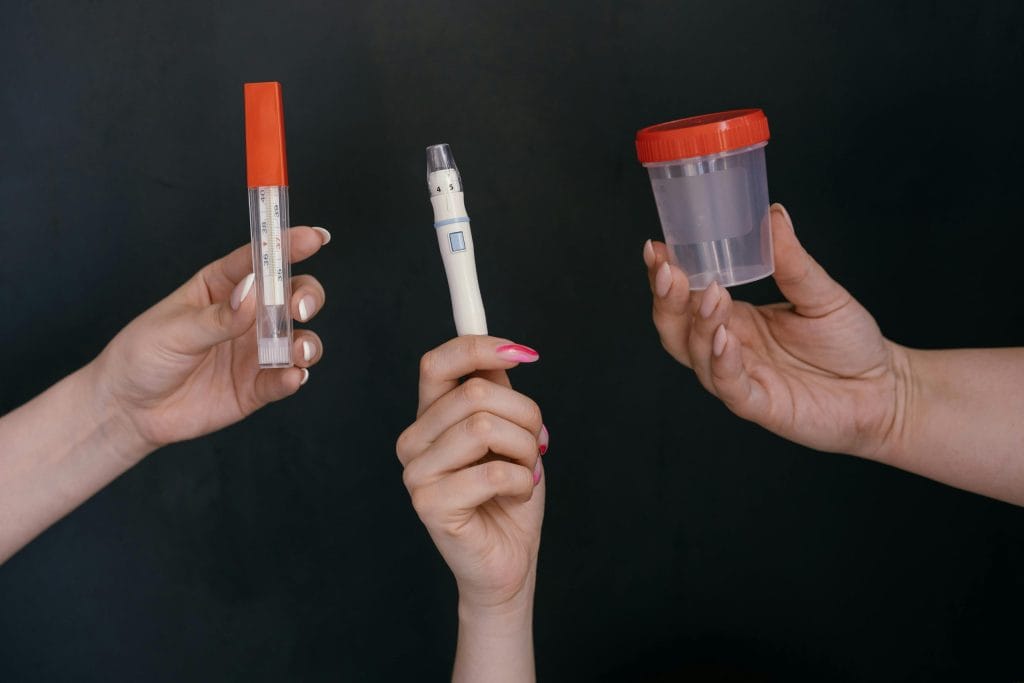
UA testing is the most common method CPS uses because it’s affordable and provides quick results. Most illegal drugs show up in urine for 1 to 7 days after use, though chronic marijuana users can test positive for weeks. Prescription drugs, alcohol use disorder medications, and even some over-the-counter substances can trigger positive urine drug tests, so always disclose your medications before testing.
2. Hair Follicle Testing for Long-Term Use Patterns
Hair follicle tests detect drug use for approximately 90 days, making them CPS’s preferred method when they suspect long-term substance abuse patterns. The test analyzes a small hair sample, typically from your head, and reveals months of use history that urine tests miss completely. This is why the choice of test can decide a case. In a custody dispute, a hair follicle test can show consistent drug use over three months even when the same person produced multiple negative urine results during that period, and that longer detection window can change the entire custody analysis.
3. Oral Swab Tests for Recent Use
Oral fluid tests detect substances for 5 to 48 hours after use, making them useful for checking immediate impairment during home visits. CPS uses oral swabs less frequently than other methods, but they’re becoming more popular because they’re non-invasive and harder to tamper with. These tests catch very recent cannabis use, illicit drugs, and alcohol consumption that might not appear in scheduled urine testing. The short detection window works both ways though.
Table: CPS Drug Test Detection Windows and What They Mean for Your Case
| Test Type | Detection Window | What CPS Uses It For | Can You Challenge It? |
|---|---|---|---|
| Urine Analysis (UA) | 1-7 days (marijuana: up to 30 days for heavy users) | Regular monitoring during dependency cases | Yes - false positives from medications, foods |
| Hair Follicle | Up to 90 days | Proving long-term substance use patterns | Limited - very accurate but expensive to retest |
| Oral Swab | 5-48 hours | Checking immediate impairment during home visits | Yes - short window means timing matters |
| Blood Test | Hours to 2 days | Rarely used except in emergency department or newborn cases | Yes - medical conditions can affect results |
What Happens After You Fail a CPS Drug Test (And How to Respond Strategically)
The Immediate Next Steps CPS Takes After a Positive Test
After a positive drug test, your caseworker documents the result and typically schedules an immediate meeting to discuss your substance use. CPS may implement a safety plan requiring you to stay with approved family members or restrict unsupervised contact with your children. If they believe your children face imminent danger, they can remove them from your home that same day and file a dependency petition within 72 hours.
How Substance Abuse Evaluations Determine Your Treatment Plan
CPS requires a chemical dependency evaluation from a licensed professional who assesses the severity of your substance use and recommends treatment. This evaluation determines whether you need inpatient treatment, intensive outpatient programs, standard outpatient counseling, or medication-assisted treatment options. Your evaluator considers your work schedule, mental health issues, family support system, and whether you’re taking any mood stabilizer or prescription drugs. The court adopts this evaluation’s recommendations almost every time, so taking it seriously matters tremendously.
What to Do If You Believe the Test Result Was Wrong
False positives happen more often than people realize. Certain foods, prescription medications, and even poppy seeds can trigger positive drug screens for opioids or other substances. Request a retest immediately using a different laboratory and ask for the original sample to be retested using more accurate confirmation methods.
A positive result is not always what it seems. A parent can test positive for a substance like methamphetamine without ever using illicit drugs, sometimes because of an over-the-counter cold medication. Challenging the result and requesting a confirmation test can clear it up, which is exactly why you should document everything you consumed in the 72 hours before testing.
Washington State Substance Abuse Treatment Options and Requirements
Inpatient Treatment vs. Intensive Outpatient Programs (IOP) vs. Standard Outpatient
Inpatient treatment requires you to live at a residential facility for 28 to 90 days, providing 24-hour support but separating you from your children during treatment. Intensive outpatient programs let you live at home while attending therapy sessions 9 to 20 hours weekly, balancing recovery with parenting time. Standard outpatient treatment involves one to two therapy sessions per week and works best for parents with strong family support and less severe substance use patterns.
Medication-Assisted Treatment (Suboxone, Methadone, Naltrexone) and CPS Cases
Washington State recognizes medication-assisted treatment as legitimate recovery, and courts cannot discriminate against parents using Suboxone, methadone, or naltrexone prescribed by medical providers. I’ve seen caseworkers wrongly treat MAT as continued drug use, but federal law protects your right to use these medications. Between 2021 and 2023, Pierce County lost over 800 residents to drug overdoses, making MAT acceptance increasingly common in dependency cases. Your treatment provider must document your compliance and stable dosing throughout your case.
AA/NA Meeting Requirements and How to Document Attendance
Most dependency cases require you to attend Alcoholics Anonymous or Narcotics Anonymous meetings multiple times weekly as part of your rehabilitation plan. Get meeting attendance slips signed by the meeting chair at every session you attend, and keep copies for yourself. Courts typically require 90 meetings in 90 days initially, then ongoing attendance until reunification. Virtual meetings became acceptable during recent years, giving you more scheduling flexibility for work and parenting classes.
Pierce County Treatment Resources and How to Access Them Quickly
Pierce County offers numerous public resources for substance abuse treatment through the Behavioral Health and Recovery Division. The OSAR center provides immediate access to treatment services without lengthy waiting periods that can delay your reunification timeline.
Speed of response carries real weight with the court. A parent who needs treatment after a positive drug screen can use Pierce County’s rapid access program to start intensive outpatient treatment within days, and that kind of immediate compliance tends to make a strong impression on a judge. Don’t wait for CPS to refer you.
Table: Washington State Substance Abuse Treatment Levels and What Courts Expect
| Treatment Level | Time Commitment | Cost Range | Best For | Court’s View |
|---|---|---|---|---|
| Inpatient/Residential | 28-90 days, 24/7 | $5,000-$30,000 (often covered by Medicaid) | Severe addiction, failed outpatient attempts | Shows serious commitment but separates you from children |
| Intensive Outpatient (IOP) | 9-20 hours/week, 8-12 weeks | $3,000-$10,000 (Medicaid accepted) | Moderate substance use, need structure while parenting | Courts prefer this - allows supervised visits |
| Standard Outpatient | 1-2 hours/week, ongoing | $100-$200/session (sliding scale available) | Mild use, strong support system, employed | Minimum compliance - may need to upgrade if not progressing |
| Medication-Assisted Treatment (MAT) | Weekly clinic visits plus counseling | Varies by program and insurance | Opioid use disorder | Fully accepted by Washington courts since 2016 |
How Many Clean Drug Tests You Need to Get Your Children Back?
The Typical Timeline for Demonstrating Consistent Sobriety (6 to 12 Months)
Pierce County judges typically require six to twelve months of consistently negative drug tests before returning children to your custody full-time. The federal Adoption and Safe Families Act requires states to file termination of parental rights petitions after children spend 15 of 22 months in foster care, creating real pressure on your timeline. I’ve seen parents pass every single test for four months only to have reunification delayed because the court wanted more time to observe stability.
What CPS Looks for Beyond Negative Tests (Stability, Housing, Employment)
Clean tests alone won’t reunify your family. CPS evaluates your overall life stability, including:
-
Safe, adequate housing with enough space for your children
-
Steady employment or stable income source to meet their needs
-
Completion of all required parenting classes and counseling sessions
-
Active participation in substance abuse treatment and support groups
-
Mental health treatment compliance if dual diagnosis exists
-
Positive relationships with teachers, medical providers, and support systems
Your caseworker documents how you’ve changed your life circumstances, not just your sobriety. This is why sobriety alone is rarely enough. A parent can maintain perfect sobriety for many months and still see reunification stall while living somewhere without adequate space for the children, such as a motel. In cases like that, reunification typically waits until stable, appropriately sized housing is secured.
How to Handle a Relapse Without Destroying Your Reunification Case
Relapse happens, and I’ve represented parents who slipped once and still reunified successfully. The absolute worst thing you can do is hide a relapse and get caught later. Immediately tell your attorney, inform your treatment provider, and voluntarily increase your treatment intensity before your next scheduled test.
Consider a parent who relapses on alcohol after several months of sobriety. The parent who immediately calls their attorney, enters inpatient treatment that same week, and visibly recommits to recovery puts themselves in the best position. In that scenario, a judge will often extend the reunification timeline by a few months rather than restarting the entire process, which is the danger when a relapse is hidden instead of disclosed.
Defense Strategies When Substance Use Is Alleged But You’re in Recovery or Wrongly Accused
Challenging the Basis for Testing When There’s No Actual Evidence
CPS cannot require drug testing based solely on rumors, anonymous tips, or bias without credible evidence linking substance use to child safety concerns. I challenge testing demands when caseworkers rely on speculation rather than observable facts about your children’s wellbeing. If your children are healthy, attending school regularly, and your home is safe, we can argue that mandatory testing violates your rights under Washington law without actual evidence of child maltreatment or neglect.
Proving Past Use Doesn’t Equal Current Impairment
Recovery is real, and Washington courts must recognize it. We build cases showing that your past substance use no longer affects your parenting abilities by presenting:
-
Documentation from treatment providers confirming program completion
-
Testimony from family members observing your current parenting
-
School records showing your children’s improved attendance and performance
-
Medical appointments records demonstrating consistent healthcare
-
Employment history proving your stability and responsibility
Allegations built entirely on a years-old drug conviction tend to collapse under current evidence. When a parent can present a long stretch of negative tests, stable employment, and strong teacher reports, a judge can dismiss the dependency petition at the first hearing, because past use without present impairment does not support removal.
Using Your Treatment Compliance and Clean Tests as Offensive Evidence
Don’t wait for CPS to question your sobriety. We proactively submit your clean tests, treatment attendance records, and counselor recommendations to demonstrate you’re addressing concerns before they escalate. When you voluntarily enter substance abuse treatment and maintain consistent negative results, we use that evidence offensively to argue for minimal court intervention or case dismissal. Courts respond positively to parents who take initiative rather than waiting for orders, especially when family law matters intersect with dependency cases.
Melvin & Torrone PLLP Helps Pierce County Families Fight CPS Drug Cases and Protect Their Parental Rights
How We Defend CPS Custody Cases and What It Means for Your Family
We’ve helped hundreds of Pierce County families keep their children home or reunify after removal over decades of combined experience in CPS custody cases. That deep, courtroom-tested experience represents real families who trusted us during their most terrifying moments and got their lives back. When substance abuse allegations threaten your parental rights, you need an attorney who knows how to fight dependency cases, not just handle them.
Why Local Expertise in Pierce County Courts Makes a Difference
I’ve worked with the same Pierce County judges, caseworkers, and prosecutors for years, understanding exactly how they evaluate substance abuse cases and what evidence moves them. We know which local treatment providers courts respect most, which evaluators provide fair assessments, and how to expedite your rehabilitation plan through established relationships. Our deep roots in the Tacoma community mean we can connect you with public resources and family support faster than attorneys from outside the area.
How We Build Your Defense Strategy from Day One of the Investigation
Most parents wait until after CPS files a dependency petition to hire an attorney, but we start protecting your custody rights the moment you contact us. We attend CPS interviews with you, advise you on which requests to comply with and which to challenge, and immediately connect you with treatment providers who strengthen your case. You’re known by your name here, not a case number, and we explain every step of the legal process in language that makes sense so you never feel confused or alone.
Frequently Asked Questions
1. Can CPS test me for marijuana even though cannabis is legal in Washington State?
Yes, CPS can still require marijuana testing despite Washington Initiative Measure No. 502 legalizing recreational cannabis use. The question isn’t legality but whether your cannabis use impairs your ability to parent safely. Courts evaluate positive cannabis tests by examining your children’s actual wellbeing, not just the test result itself.
2. What happens if my newborn tests positive for drugs at birth?
Medical clinicians must report newborns born exposed to substances, triggering automatic CPS involvement and Child Abuse and Neglect Investigations. However, a positive test doesn’t guarantee removal. CPS evaluates your willingness to engage in treatment, your support system, and whether you can safely care for your child with a safety plan and services.
3. Does CPS treat prescription drug use the same as illegal drug use?
No, legitimate prescription drugs prescribed by your medical provider receive different treatment than illicit substances. Always disclose your medications before testing and provide documentation from your doctor. CPS focuses on whether prescription drug use affects your parenting, not the medication itself, though they may require monitoring for controlled substances.
4. Can I lose custody if someone else uses drugs in my home?
Yes, allowing drug use in your home where children live can result in dependency findings even if you’re not using substances yourself. CPS views this as failure to protect your children from environmental risks. You must demonstrate you’ve removed the substance-using person from your home or established clear boundaries protecting your child’s safety.
5. How long does CPS keep records of my drug test results?
Washington State maintains CPS records for varying periods depending on case findings and outcomes. Unfounded cases typically remain for three years, while founded child abuse or neglect findings stay on record much longer. Previous positive drug tests can affect future CPS interactions, making early legal representation vital to protect your parents’ rights.
6. What if I’m in recovery and haven’t used drugs in years?
We build strong defenses for parents in long-term recovery by presenting completion certificates, ongoing support group attendance, and years of negative tests. Past substance use alone cannot support current child custody removal without evidence of present impairment. Courts must recognize recovery as real progress, not hold your history against you indefinitely when children are thriving.
7. Does refusing to let CPS into my home affect drug testing requirements?
Refusing home entry during investigations is your constitutional right before court involvement, but it may increase CPS scrutiny and accelerate their full investigation track. If they obtain a search warrant or court order, refusal becomes contempt. Strategic decisions about CPS access require immediate legal guidance to protect both your Fourth Amendment rights and your children’s placement.
Conclusion
Facing CPS drug testing in Washington State feels overwhelming, but you don’t have to face it alone. We’ve guided hundreds of Pierce County families through substance abuse investigations, dependency cases, and reunification because we understand both the legal system and the fear you’re experiencing right now. Your next steps matter tremendously, and having an experienced attorney who knows Pierce County courts can mean the difference between keeping your family together and losing months in foster care.
Each case is unique. Past results do not guarantee future outcomes. This article provides legal information, not legal advice. Reading this article does not create an attorney-client relationship with Melvin & Torrone, PLLP.

Chris Torrone
Founding Partner, Melvin & Torrone PLLP
Chris Torrone is a dedicated advocate for clients facing family crises and criminal charges. With 20 years of experience practicing in Pierce County courts, Chris has built a reputation for meticulous case preparation and creative problem-solving in high-stakes litigation.