
Can You Get a DUI on a Bicycle in Washington State?
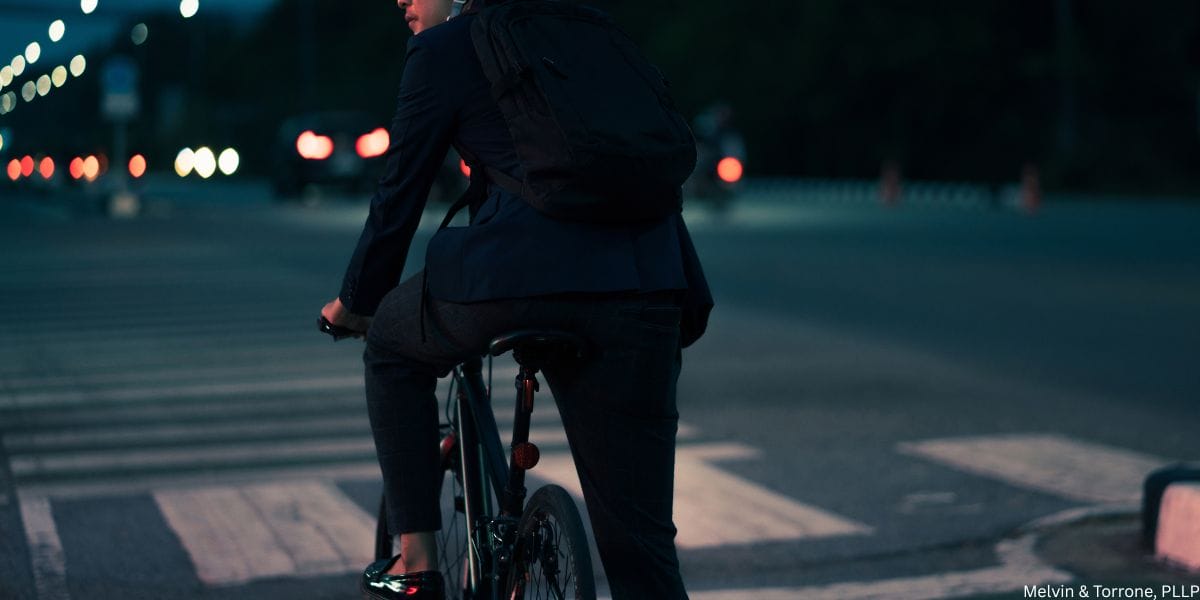
No, you cannot get a DUI on a bicycle in Washington State. I’ve been defending DUI cases in Tacoma for over 20 years, and this question comes up constantly. A landmark 1995 court case established that bicycle DUI charges are illegal because bikes aren’t motor vehicles under Washington DUI laws. But here’s where it gets tricky. Police can still stop you for cycling under the influence, and prosecutors sometimes file alternative charges anyway. Electric bicycles face completely different rules.
If you’ve been charged with anything related to drunk cycling, you need to understand exactly what you’re up against and how to fight back.
Torrone’s Takeaways
-
Regular bicycles are NOT subject to DUI laws in Washington State thanks to the 1995 Wells case
-
Electric bicycles with motors create legal gray areas that prosecutors exploit for DUI charges
-
Police can still stop you, impound your bike, and take you into protective custody under RCW 46.61.790
-
Alternative charges like reckless endangerment and disorderly conduct carry real criminal penalties
-
You have the right to remain silent and refuse field sobriety tests during any bicycle stop
-
Civil lawsuits for bicycle accidents can cost you thousands even without criminal DUI charges
-
City of Montesano v. Wells is the controlling precedent we cite against wrongful bicycle DUI prosecutions
Table of Contents
- No, You Cannot Get a DUI on a Regular Bicycle in Washington State
- Electric Bicycles Are a Completely Different Story
- Other Criminal Charges You Can Face for Cycling While Intoxicated
- Why Police Still Stop Drunk Cyclists Even Without DUI Authority
- What to Do If You Were Charged with Bicycle DUI Anyway
- How Defense Attorneys Get Wrongful Bicycle DUI Charges Dismissed
- Protect Your Rights with Aggressive Criminal Defense in Tacoma
- Frequently Asked Questions
- Conclusion
No, You Cannot Get a DUI on a Regular Bicycle in Washington State
The 1995 Court Case That Changed Everything for Cyclists
A guy named Wells was riding his bike home at 3 a.m. in Montesano after drinking. Police stopped him for swerving, ran field sobriety tests, and charged him with DUI. He smelled like alcohol, slurred his speech, and clearly failed those tests. The court still threw out his bicycle DUI conviction.
In City of Montesano v. Wells, the Washington Court of Appeals ruled that DUI laws only apply to motor vehicles, not standard bicycles. This case established the legal foundation that protects cyclists from drunk driving charges. As of 2026, no Washington appellate court has overturned or narrowed it, so it remains controlling precedent statewide. I’ve cited this exact case when prosecutors try to file improper charges against clients who were cycling under the influence on public roads.
Why Bicycles Are Legally Different from Motor Vehicles Under DUI Law
Washington’s DUI statute (RCW 46.61.502) uses the term “motor vehicle” throughout its language. RCW 46.04.320 defines a motor vehicle as any vehicle that’s self-propelled. Your legs propelling a bike don’t count. Even though bicycles are technically vehicles under traffic laws (RCW 46.04.670), they’re not motor vehicles for DUI purposes. This distinction matters because the legislature never intended to criminalize pedaling home drunk when they wrote the law. Courts interpret DUI laws narrowly, and blood alcohol concentration limits only apply to motorized transportation.
What Washington Courts Actually Said About Drunk Cycling
The Wells court made it clear that including bicycles in the general definition of “vehicle” for traffic safety doesn’t automatically make them subject to DUI laws. Think of it this way - bicycles follow stop signs and red lights like cars, but you can’t get a driver’s license suspension for drunk cycling because you’re not driving.
The court examined the entire statutory scheme and found that lawmakers consistently used “vehicle” and “motor vehicle” interchangeably when discussing impaired operation. Washington traffic laws treat cycling while intoxicated as a safety concern, not a criminal offense equivalent to operating a car drunk on a public road.
Table: Washington State DUI Laws by Mode of Transportation
| Mode of Transportation | Subject to DUI Laws? | Legal Basis | Potential Charges |
|---|---|---|---|
| Regular Bicycle | No | City of Montesano v. Wells (1995) | Reckless endangerment, disorderly conduct, public intoxication |
| Electric Bicycle (Class 1) | Legal gray area | RCW 46.04.320 (motor vehicle definition unclear) | Possible DUI, reckless endangerment |
| Electric Bicycle (Class 2/3) | Likely yes | Self-propelled motor qualifies as motor vehicle | DUI, reckless driving |
| Horse | No | Not a motor vehicle under RCW 46.04.320 | Animal cruelty, reckless endangerment |
| Electric Scooter | Yes | Considered motor vehicle when motorized | DUI, reckless driving |
| Skateboard | No | Not self-propelled, not a vehicle | Disorderly conduct, reckless endangerment |
| Motorized Bike/Moped | Yes | Clearly defined as motor vehicle | DUI, license suspension |
Electric Bicycles Are a Completely Different Story
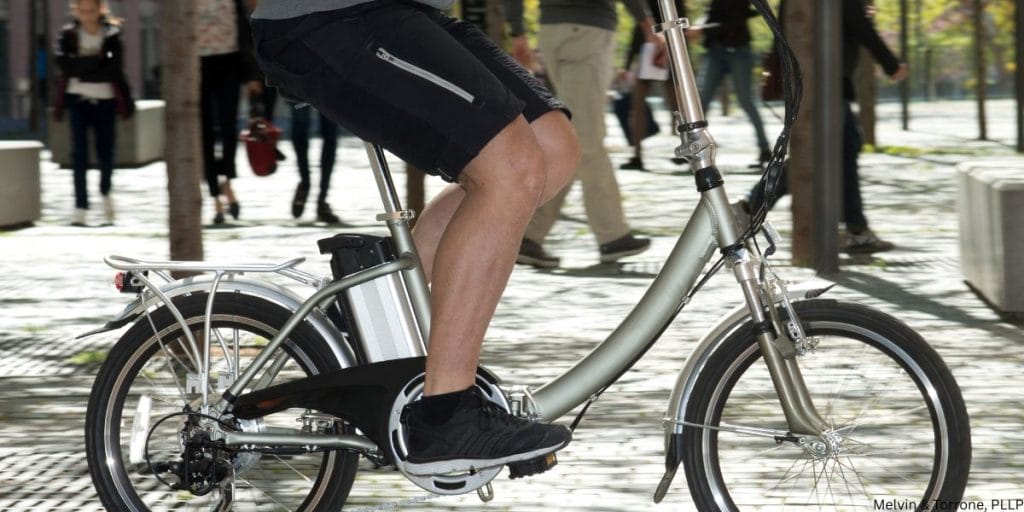
E-Bikes with Motors May Qualify as Motor Vehicles Under RCW 46.04.320
Here’s where the law gets messy. RCW 46.04.320 defines a motor vehicle as anything self-propelled. Your electric bicycle has a motor that propels it without you pedaling. That technically fits the definition. I’ve seen prosecutors in Pierce County argue that e-bikes are motor vehicles subject to DUI laws, even though no Washington appellate court has definitively ruled on this yet.
The legal uncertainty means you’re gambling with a criminal record if you ride an electric bike after drinking. E-bike crashes have increased 23% annually in Washington since 2017, and law enforcement is paying closer attention to impaired cyclists on motorized bikes.
Class 1, Class 2, and Class 3 E-Bikes Face Different Legal Treatment
Washington law recognizes three classes of electric bicycles:
-
Class 1 provides electric assist only when you’re pedaling, with a 20 mph limit.
-
Class 2 has a throttle that works without pedaling, also capped at 20 mph.
-
Class 3 offers pedal-assist up to 28 mph.
Prosecutors look at Class 2 and Class 3 bikes differently because they function more like mopeds.
This is where riders get caught off guard. When someone is stopped on a Class 3 e-bike after drinking, prosecutors will often file a DUI precisely because the bike has a throttle and can reach 28 mph. The defense is to argue the bike still doesn’t meet the motor vehicle definition, but fighting that fight can cost thousands in legal fees and months of stress, which is exactly why the higher-class e-bikes carry more risk.
How Prosecutors Decide When to Charge E-Bike Riders with DUI
Prosecutors weigh several factors when deciding whether to file DUI charges against electric bike riders. They look at the bike’s motor power, whether it requires pedaling, and how fast it goes. Blood alcohol concentration above the legal limit makes them more aggressive. If your electric assist kicked in while you were riding, they’ll argue you were operating a motorized vehicle while intoxicated.
I’ve noticed Pierce County prosecutors are more likely to charge Class 2 and Class 3 e-bike riders than Class 1 riders. They also consider whether you caused a bicycle accident or endangered pedestrians. The ambiguity in the law means you’re at the mercy of the individual prosecutor’s interpretation.
Other Criminal Charges You Can Face for Cycling While Intoxicated
Reckless Endangerment Charges Apply to Dangerous Cycling Behavior
Just because you can’t get a bicycle DUI doesn’t mean you’re free from criminal charges. Reckless endangerment becomes the go-to charge when your drunk cycling puts others at substantial risk. If you’re swerving into traffic, nearly hitting pedestrians, or riding against traffic flow on a public road, prosecutors can file this charge.
A typical fact pattern is a cyclist who rides through downtown late at night after drinking, cuts across a busy street against the light, and nearly causes a collision. Conduct like that is exactly what prosecutors charge as reckless endangerment, which carries up to 364 days in jail and a criminal record even though no DUI applies.
Disorderly Conduct and Public Intoxication Are Common Alternatives
Police love these charges because they’re easy to prove and don’t require proving you were operating a vehicle. Disorderly conduct applies when your intoxicated behavior disturbs the peace or creates a public nuisance. Public intoxication charges stick when you’re so drunk you can’t care for yourself safely.
Blood alcohol concentration doesn’t need to reach DUI levels for these charges. Officers often add these charges when they find you passed out next to your bike or causing a scene. Both are misdemeanors that can result in fines, community service, and a permanent criminal record that shows up on background checks.
Negligence Lawsuits and Civil Liability After a Bicycle Accident
Criminal charges aren’t your only problem when cycling while intoxicated. Consider a cyclist who rides home drunk, collides with a pedestrian on the sidewalk, and leaves that person with broken bones and head trauma requiring hospitalization. Even with no criminal DUI charge available, the injured pedestrian can file a negligence lawsuit seeking damages for medical bills, lost wages, and pain.
Civil liability doesn’t require a criminal conviction. Insurance companies will use your intoxication against you, and you’ll likely pay out of pocket. These lawsuits can financially devastate you for years, especially since most homeowner policies exclude coverage for intentional intoxicated behavior.
Why Police Still Stop Drunk Cyclists Even Without DUI Authority
Officers Can Detain You for Your Own Safety Under RCW 46.61.790
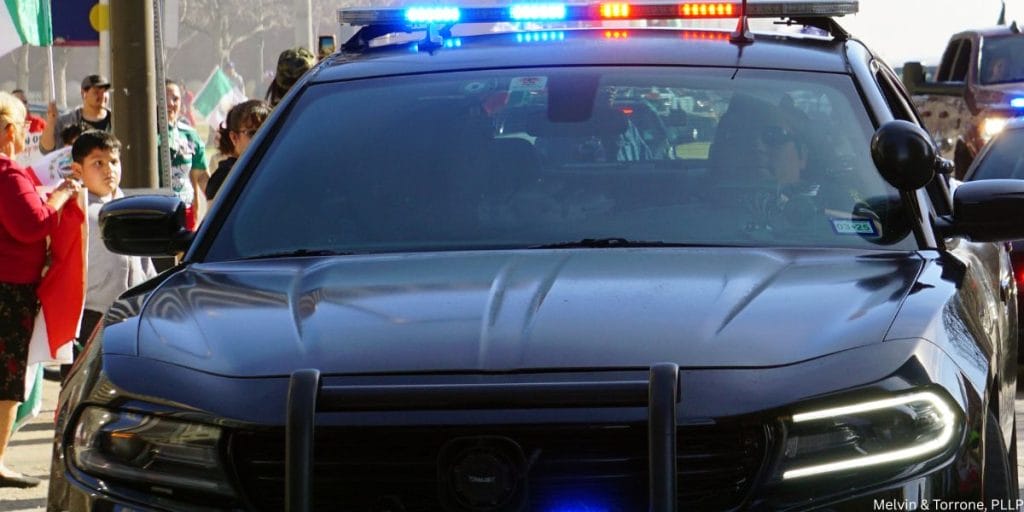
Washington law gives police specific authority to stop impaired cyclists even though they can’t charge you with DUI. RCW 46.61.790 allows officers to take you into protective custody if you’re too intoxicated to safely operate a bicycle. This statute exists because drunk cyclists can hurt themselves just as easily as drunk drivers.
I’ve had clients stopped on quiet residential streets at 2 a.m. simply because they were wobbling. Officers don’t need probable cause for a traffic violation to initiate contact if they believe you’re a danger to yourself. They can offer you a ride home, call someone to pick you up, or transport you to detox.
Bicycle Impoundment and Protective Custody Are Legal Options
Police can impound your bicycle under the same statute that allows protective custody. A common scenario is a cyclist stopped for a minor equipment violation, such as riding without a light, who isn’t belligerent or dangerous but is visibly drunk.
In that situation officers can take the rider into protective custody, impound the bike, and call someone to pick them up. Recovering an impounded bike then means paying impound fees, which can run well over $100, and getting the bike back can take days. Retrieving it requires showing ID, paying the fees, and often waiting until the impound lot opens during business hours. Some cyclists never retrieve their bikes because the fees exceed the bike’s value.
Field Sobriety Tests and Questioning Can Still Happen During Stops
Officers can ask you to perform field sobriety tests during any traffic stop involving suspected intoxication. They’ll look for these signs:
-
Inability to maintain balance on the bike
-
Slurred speech and bloodshot eyes
-
Failure to follow simple instructions
-
Smell of alcohol on your breath
You’re not required to answer questions or perform these tests. I always tell clients to politely decline field sobriety tests and breath tests because anything you say or do becomes evidence if prosecutors file alternative charges like reckless endangerment or disorderly conduct. Blood tests and chemical tests require your consent unless officers arrest you for a different crime. Even without DUI authority, officers gather evidence during these stops that prosecutors use later. The questions officers ask during a traffic stop can incriminate you in ways you don’t realize until you’re sitting in court.
What to Do If You Were Charged with Bicycle DUI Anyway
Some Prosecutors Still Try to File Charges Despite the Wells Case
I see this more often than you’d think. Some prosecutors either don’t know about City of Montesano v. Wells or choose to ignore it. They’ll file bicycle DUI charges hoping you’ll take a plea deal without fighting. Pierce County processed 213 DUI cases in 2024, and a handful involved improper bicycle charges. Prosecutors sometimes argue that electric bicycles change the legal analysis or that your specific bike qualifies as a motor vehicle. Don’t panic if you receive these charges. Citing the controlling case law in a motion to dismiss is the standard way to challenge an improper bicycle-DUI charge.
Your Rights During Any Traffic Stop Apply to Bicycles Too
You have the right to remain silent and the right to refuse field sobriety tests, even on a bicycle. Officers can’t force you to answer questions about where you’ve been drinking or how much you consumed. Breath tests and blood tests require your consent unless you’re under arrest for a different crime. When a cyclist is stopped and politely declines to answer questions and refuses field sobriety tests, officers often can’t build a case and let the rider go with a warning. Exercising your rights isn’t suspicious behavior. It’s smart legal strategy.
Documenting the Stop Can Make or Break Your Defense
Write down everything about the traffic stop within 24 hours. Record the officer’s name, badge number, time, location, and exactly what was said. Note weather conditions, lighting, and whether you were actually swerving or riding safely. Take photos of the scene if possible. Get contact information from any witnesses who saw the stop. This documentation becomes critical evidence when we challenge the probable cause for the stop or dispute the officer’s version of events. Memory fades quickly, but contemporaneous notes carry weight in court.
How Defense Attorneys Get Wrongful Bicycle DUI Charges Dismissed
How City of Montesano v. Wells Applies to an Improper Bicycle DUI Charge
The Wells case is the strongest authority against an improper bicycle DUI charge. The standard response is a motion to dismiss that cites this controlling precedent. The case law is clear that standard bicycles don’t qualify as motor vehicles under Washington DUI laws, and judges are bound to follow appellate court decisions. Some prosecutors try to distinguish a case by arguing the facts are different, but the underlying legal principle is the same regardless of the rider’s blood alcohol concentration, because the statute simply doesn’t reach standard bicycles.
Challenging Probable Cause for the Stop Itself
Even if prosecutors charge you with alternative offenses, we can attack whether officers had legal justification for the traffic stop. Police need reasonable suspicion of a traffic violation or criminal activity to stop you. When officers stop a cyclist for something vague like “suspicious cycling” with no specific violation, just a hunch, that stop is vulnerable. A motion to suppress all evidence from the stop, arguing officers lacked probable cause, can lead a judge to throw out everything that followed, including alternative charges like disorderly conduct. Without a valid stop, nothing that happened afterward matters legally.
Fighting Alternative Charges Like Reckless Endangerment or Disorderly Conduct
Prosecutors often pivot to these charges when bicycle DUI won’t stick. We defend these cases by showing your behavior didn’t meet the legal standard for recklessness or public disturbance. Reckless endangerment requires proving you created substantial risk of death or serious injury. Riding slowly on a quiet street doesn’t qualify.
Disorderly conduct needs intentionally disruptive behavior, not just riding drunk. Field sobriety tests become less relevant because these charges don’t hinge on blood alcohol concentration levels. We often negotiate these down to infractions or get them dismissed entirely through pretrial motions.

Protect Your Rights with Aggressive Criminal Defense in Tacoma
Melvin & Torrone Fights Wrongful Charges and Alternative Prosecutions
We’ve spent decades on DUI and criminal defense throughout Pierce County, including improper bicycle charges and electric-bike prosecutions. Our team knows the defense strategies that apply to these charges and how to put them to work for your case. When prosecutors pursue reckless endangerment, disorderly conduct, or bicycle DUI despite clear case law, we know how to respond. We explain the legal process in plain language so you understand exactly what’s happening at every step.
Our DUI Defense Experience Extends to All Impaired Driving Cases
Our depth in this area speaks for itself. We fight tenaciously for every single client across DUI defense and criminal law cases. That experience includes defending against wrongful bicycle charges, electric bike prosecutions, and alternative charges like public intoxication. We’ve built relationships with prosecutors and judges throughout the South Sound over decades of practice. When you work with us, you’re known by your name, not a case number.
Free Case Evaluation to Review What You Were Actually Charged With
Contact us now for a free 30-minute consultation. We’ll review exactly what charges you’re facing and explain your defense options in language that makes sense. Our office is located at 950 Pacific Ave, Suite 720 in Tacoma. We’re available Monday through Friday from 9 a.m. to 5 p.m. Don’t let confusion about bicycle DUI laws cost you your freedom or your criminal record. Let us fight for your rights and get your life back on track.
Frequently Asked Questions
1. Can I refuse a breathalyzer test if the police stop me on my bicycle?
Yes, you can refuse breath tests and field sobriety tests during any bicycle stop. Officers can’t force chemical tests without your consent unless you’re arrested for a different crime. Refusing protects you from providing evidence that prosecutors might use against you later for alternative charges like reckless endangerment or disorderly conduct.
2. Will DUI on a bicycle affect my driver’s license?
No, because bicycle DUI charges are legally invalid in Washington State under the Wells case. Even if prosecutors file charges, they can’t suspend your driving privileges for riding a standard bicycle while intoxicated. However, alternative charges like reckless endangerment could potentially affect your license if they involve dangerous behavior on public roads.
3. What if my e-bike only has pedal assist and no throttle?
Class 1 electric bicycles with pedal-assist only face less prosecution risk than throttle-controlled bikes. However, prosecutors might still argue the motor makes it a motor vehicle under RCW 46.04.320. The legal uncertainty means you need aggressive defense if charged. We’ve successfully fought these cases by challenging the motor vehicle definition and proving pedal-assist bikes function like traditional bicycles.
4. Can police search my bicycle and belongings during a traffic stop?
Officers need probable cause to search your bicycle and bags beyond a pat-down for weapons. Simply stopping you for suspected intoxication doesn’t give them unlimited search authority. If police found drugs or other contraband during an illegal search, we can file motions to suppress that evidence. Your Fourth Amendment rights apply during bicycle stops just like car stops.
5. How much does it cost to defend against wrongful bicycle DUI charges?
Legal fees vary based on case complexity, but defending wrongful bicycle DUI charges typically costs less than defending actual DUI cases. An improper bicycle DUI charge can often be challenged by citing controlling case law. We offer free case evaluations to review your charges and provide honest cost estimates. Our goal is protecting your rights without breaking your bank account.
6. What happens if I cause a bicycle accident while drunk?
You face potential civil liability through negligence lawsuits even without criminal DUI charges. Victims can sue for medical bills, lost wages, and pain from injuries like head trauma or broken bones. Insurance companies often deny coverage for intoxicated behavior. Criminal charges like reckless endangerment become more likely if your drunk cycling hurt someone or caused property damage on public roads.
7. Do I need a criminal defense attorney for a bicycle stop?
If you received any charges after a bicycle stop, contact a DUI defense attorney immediately. Even citations for disorderly conduct or public intoxication create criminal records that affect employment. We offer free consultations to review what happened and explain your defense options. Don’t assume bicycle charges are minor without getting a professional case evaluation from experienced criminal defense attorneys.
Conclusion
You now understand that regular bicycle DUI charges are legally invalid in Washington State, but prosecutors still file wrongful charges and alternative offenses. We’ve defended clients against improper bicycle charges and alternative prosecutions throughout Pierce County, and we know how to challenge them. Don’t let confusion about cycling under the influence laws cost you thousands in legal fees or damage your future.
Schedule your free consultation** and get a personalized defense strategy that actually works.**
Each case is unique. Past results do not guarantee future outcomes. This article provides legal information, not legal advice. Reading this article does not create an attorney-client relationship with Melvin & Torrone, PLLP.

Chris Torrone
Founding Partner, Melvin & Torrone PLLP
Chris Torrone is a dedicated advocate for clients facing family crises and criminal charges. With 20 years of experience practicing in Pierce County courts, Chris has built a reputation for meticulous case preparation and creative problem-solving in high-stakes litigation.